
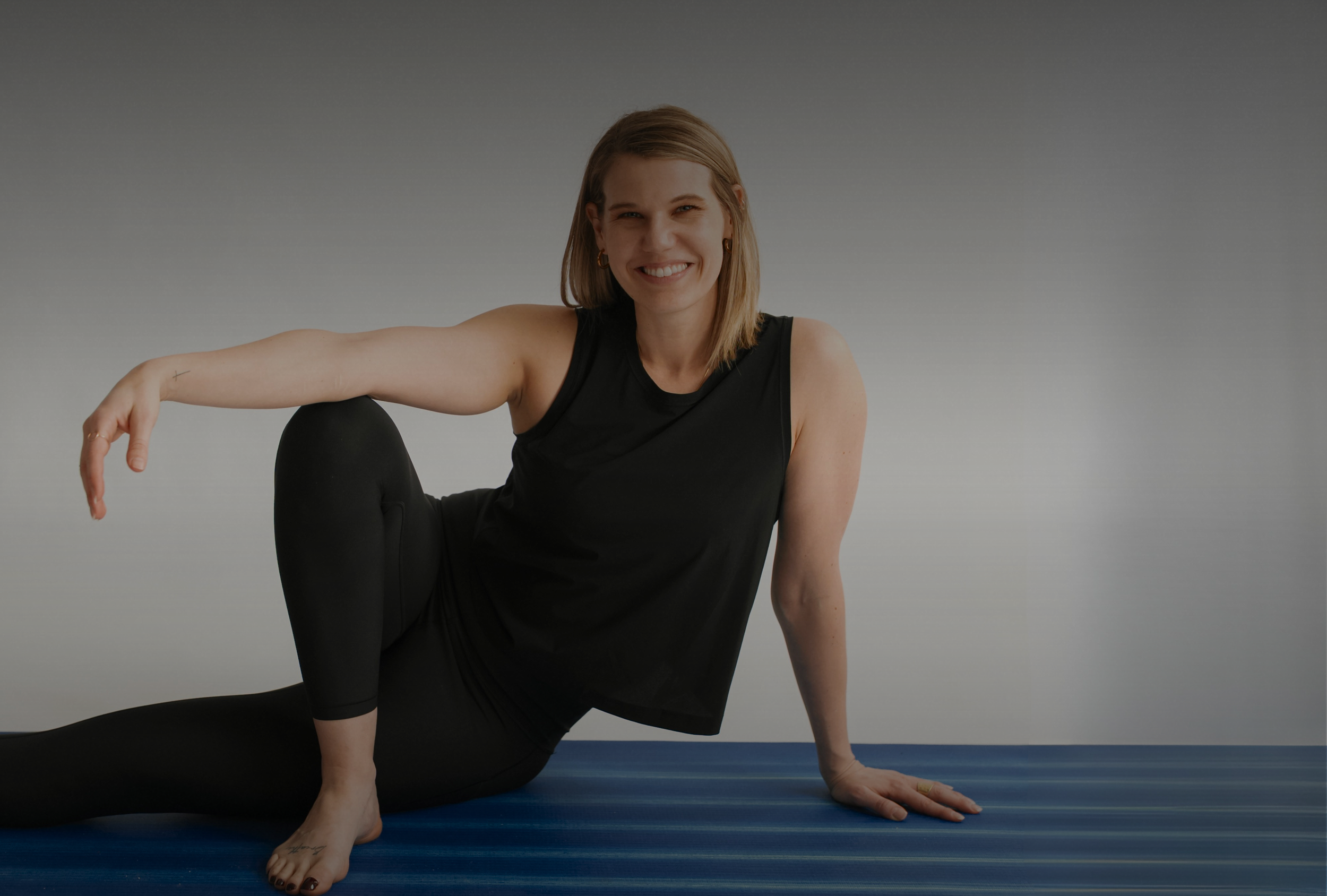
meet EMILY
Former D1 Athlete. Licensed Therapist. Someone Who Actually Gets It.
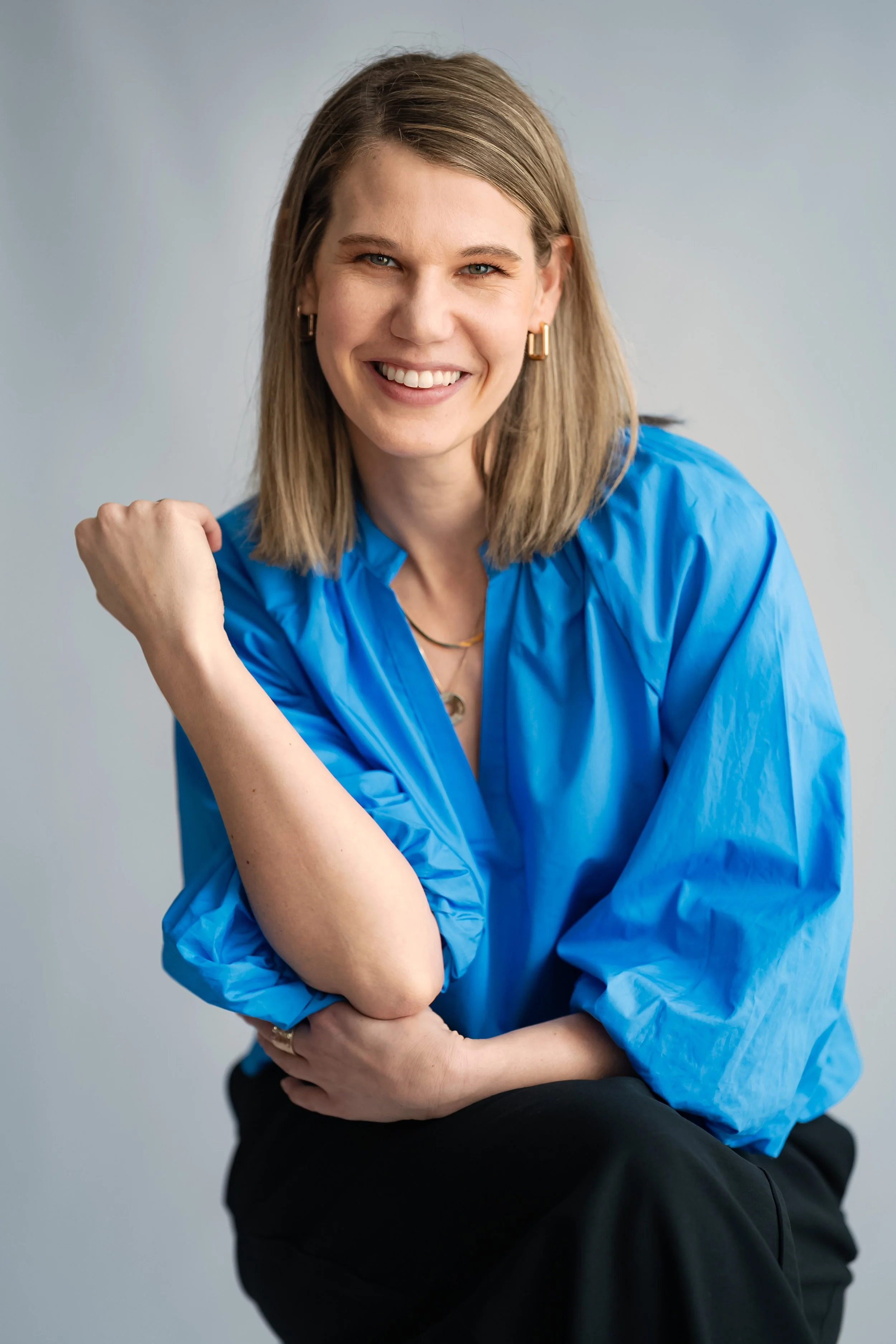
Hi, I’m Emily…
A licensed clinical social worker, former Division I soccer player at the University of Virginia, and former D1 assistant coach at the University of Pennsylvania.
I've spent close to 15 years inside sport culture. I've been the athlete, the coach and the performance consultant.
I've worked with some of the best programs in the country and I've sat across from hundreds of athletes and coaches navigating the same patterns I once couldn't name in myself.
But my path to this work didn't start with a degree or a credential. It started with my own unraveling.
I Have a History of Severe Anxiety, Complex PTSD, and the Kind of Internal Pressure That Sport Culture Can Quietly Build Into You Without Anyone Ever Naming It.
On the outside, I was high-functioning, driven, and capable. On the inside, I was anxious, overwhelmed, and often disconnected from my own emotions. My mind rarely shut off, and even when I was exhausted, slowing down or resting felt uncomfortable.
My sense of worth became deeply tied to how I performed and what I could produce. I didn’t have language for what I was experiencing or how to be with it, so I learned to numb, avoid, suppress and push through it.
I spent years in and out of therapy, and there were times I struggled to find a therapist who fully understood the athlete experience and how this impacts our well-being.

Not just the surface-level challenges, but the deeper patterns that can continue long after sport is done—the way sport teaches you to suppress emotions and call it strength, the way perfectionism gets rewarded until it quietly becomes unsustainable, the way the nervous system gets wired for hypervigilance and doesn’t fully learn how to come back down, and the way identity becomes so fused with performance that stepping away from sport can feel disorienting. These patterns don’t stay contained within athletic careers. They shape how we experience stress, relationships, identity, and emotional safety in everyday life.
This is why I became a therapist.
I went back to school, earned my MSW from the University of Denver, and dove into advanced clinical training in the areas I knew mattered most — trauma treatment, polyvagal theory, somatics, attachment, mindfulness-based interventions, and the nervous system. I wanted to create a space for former athletes and high performers to understand what’s been happening beneath the surface and begin to make sense of it in a different way.
That's what this practice is.

MY QUALIFICATIONS
✓ MSW, University of Denver | BA Psychology, University of Virginia | MS Sport Management, Drexel University
✓ Licensed Clinical Social Worker
✓ Level 1 & Level 2 Advanced Trauma Treatment Certification
✓ Advanced clinical training in Polyvagal Theory, Somatics, Hakomi Method & Mindfulness Intervention
✓ Duke Certified Integrative Health Coach | Certified Breath Coach | 200-Hour RYT
✓ US Soccer Level C Coaching License | ~15 years coaching (youth to collegiate)
✓ Performance consultant: Duke University, Stanford University, University of Michigan
✓ Adjunct Professor, Drexel University
core values
Competency.
I take my clinical training seriously. I pursue advanced education because the people I work with deserve someone who knows what they're doing, not just someone who played sports.
Compassion.
I see you. I hear you. You matter. I will never minimize your experience or tell you to just try harder. I meet you exactly where you are.
Connection.
Therapy is collaborative. I don't preach at you. I work with you. Your safety, your autonomy, and your voice are at the center of everything we do together.
Lived Experience.
I'm not just talking about this stuff from the outside. I've been the athlete who couldn't stop pushing. I've been the person who didn't know how to feel her own emotions. I've been the one sitting in a therapist's office thinking "they don't get it." That's why I do this differently.
Inclusion.
I am committed to providing trauma-informed, inclusive care that honors every person's identity, background, and lived experience. You will always be safe here.
You don't have to have it figured out.
You don't have to be in crisis.
You just have to be open to trying something different.